
Proper Handwashing for Nurses: Step-by-step Procedure, Timing, and Best Practices
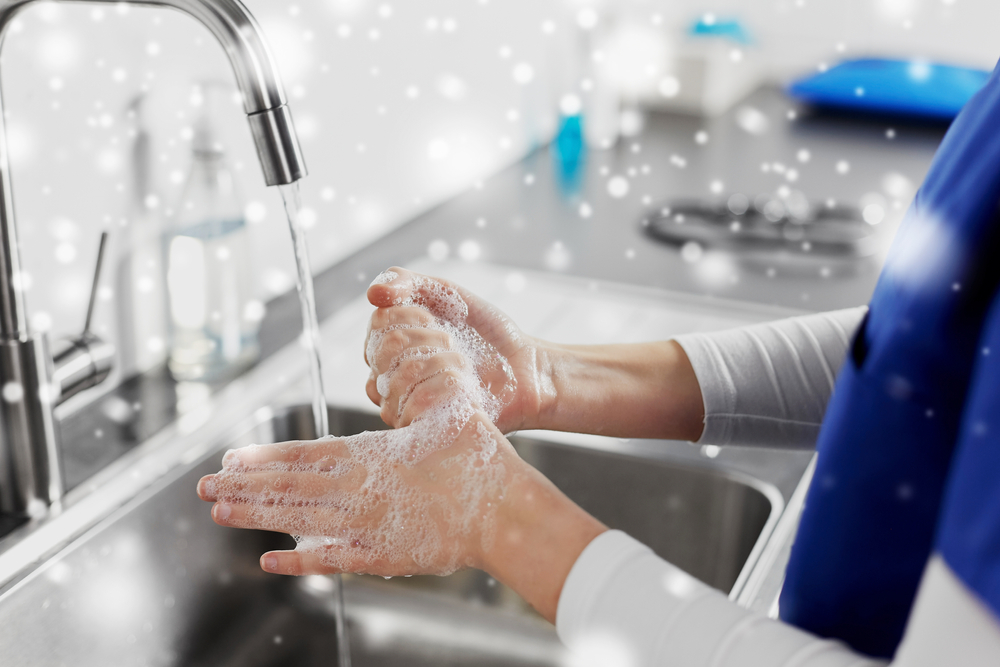
Hand hygiene is the single most effective action nurses can take to prevent healthcare-associated infections (HAIs), protect patients, and reduce occupational exposure. This guide gives a clear, evidence-based hand washing procedure for nurses, answers common search queries (for example: what is the first step in the handwashing procedure?, nurse hand washing steps, 7 steps of hand hygiene), and explains when to wash versus when to use alcohol-based hand rub. Where appropriate, recommendations reference public health guidance so you can rely on current standards.
Why Correct Handwashing Matters for Nurses
Nurses perform frequent patient contact and procedures; each interaction is an opportunity to transmit pathogens if hand hygiene is missed. Unfortunately, on any given day 1 in 31 hospital patients has at least one HAI, as reported by the CDC. Strong hand hygiene programs lower HAI rates, improve patient outcomes, and reduce institutional risk. National and international guidance (WHO and CDC) form the foundation of accepted technique and timing for clinical settings.
When to Clean Your Hands: The Clinical Triggers
Nurses should clean hands in these clinical moments (the “Five Moments” used internationally):
- Before touching a patient
- Before aseptic/clean procedures
- After body fluid exposure or risk
- After touching a patient
- After touching patient surroundings
Nurse Handwashing Procedure — Full Step-by-step Method
- Wet hands under clean, running water.
- Apply soap — enough to cover all hand surfaces.
- Palm to palm — rub palms together to form a lather.
- Right palm over left dorsum; left palm over right dorsum with fingers interlaced.
- Palm to palm with fingers interlaced — clean between fingers.
- Backs of fingers to opposing palms (fingers interlocked) to reach web spaces.
- Rotational rubbing of thumbs — clasp and rotate each thumb in the palm of the other hand.
- Rotational rubbing of fingertips in palm — clean under fingernails and fingertips.
- Rinse thoroughly under running water until all soap is removed.
- Dry completely with a single-use towel or air dryer; use the towel to turn off the faucet.
When is hand sanitizer acceptable in place of handwashing?
For routine patient care when hands are not visibly soiled, CDC and WHO recommend alcohol-based hand rub (ABHR) as the preferred method because it is faster, more effective against many pathogens, and gentler on skin with the right formulation.
Common Mistakes and How to Avoid Them
- Skipping the thumb or fingertips — emphasize thumb and fingertip rotation.
- Insufficient duration — washes are often too short. Aim for at least 20 seconds.
- Using ABHR or hand sanitizer on visibly soiled hands — soap & water required in this case.
- Incompatible lotions or creams — use only facility-approved products.
Skin Health, Fingernails, and Gloves
Nurse skin integrity supports compliance. Short, natural nails are recommended; artificial nails and chipped polish can harbor organisms and are often restricted by facility policy. Use hospital-provided moisturizers and follow occupational health guidance for dermatitis prevention.
Measuring Compliance and Reducing Risk
Effective programs combine clear technique training, visible reminders (posters), product availability (ABHR dispensers at point of care), and monitoring with feedback. Studies show multimodal programs provide the best sustained improvements in hand hygiene and reductions in HAIs.
Practical Checklist for Nurses (quick reference)
- Hands washed or ABHR used before patient contact; before aseptic tasks; after body-fluid exposure; after patient care; after touching environment.
- If hands are visibly dirty or after glove removal from contaminated tasks → soap & water for ≥20 seconds (40–60 seconds for heavy soil/PPE removal).
- Keep nails short; use facility lotions; report skin issues to occupational health.
How NOW Insurance Supports Hospital Best Practices and Risk Reduction
Proper clinical technique reduces exposure and the risk of a malpractice claim. The right liability insurance complements that protection. NOW Insurance provides professional liability and risk-management resources tailored to RNs, advanced practice nurses and other allied health professionals.
Ready to protect your career or your practice? Learn how NOW Insurance’s professional and general liability policies provide comprehensive protection while remaining an affordable option. Get a quick quote today or speak with a specialist about coverage that complements your infection-prevention protocols.
Disclaimer: Handwashing protocols for nursing staff may vary between medical facilities. Always follow the specific guidelines and procedures required by the hospital or healthcare organization where you are employed. Any educational tips provided on this blog are intended solely for general informational purposes and should not replace facility-specific training or professional guidance.